
FDA-P.17-2010
Parts
Object number
FDA-P.17-2010
Object type
Identification
Title
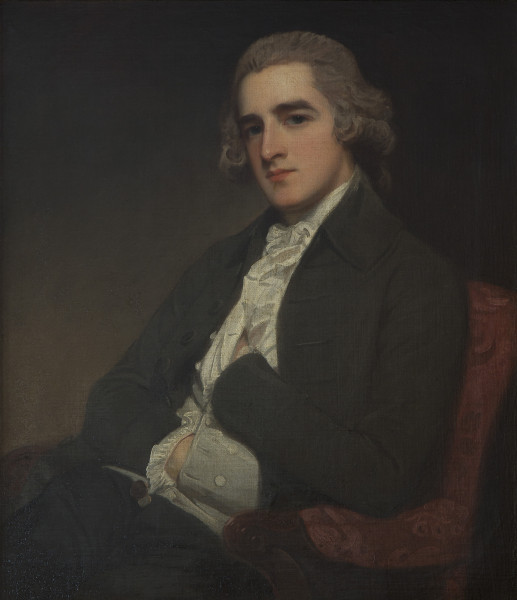
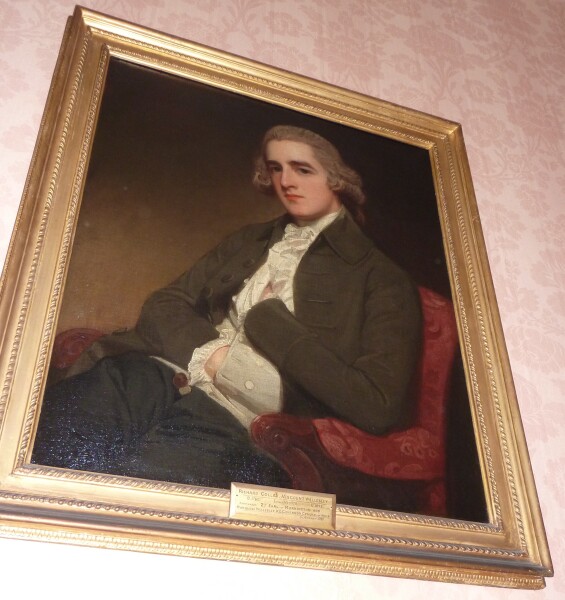
Richard Colley, Viscount Wellesley
Title Type
assigned by cataloguer
Description
Half-length portrait of a young man, in a grey coat, white waistcoat and stock, seated in a red chair
Comments
Wellesley, elder brother of the Duke of Wellington, was the eldest son of Garrett Wellesley, 1st Earl of Mornington. In 1770 he was sent to Harrow but was removed in 1772, having taken part in the riot occasioned by the appointment of Heath as Head Master. He was then sent to Eton and was in the Sixth Form in 1778. Whilst at Eton he was distinguished for the writing of Latin verse and some were printed in 1795 in Musae Etonenses.
At Oxford he won the Chancellor's Latin verse prize with a poem on the death of Captain Cook. On the death of his father he left Oxford and returned to Ireland to look after his brothers and his estates. Through his friendship at Eton and Oxford with William Grenville, who became Chief Secretary for Ireland, his interest turned to politics and he was elected to the House of Commons for various seats from 1780 until 1797. From 1793 until 1797 he was Commissioner for Indian Affairs and from 1797 until 1805 Governor-General of India, where his efficient administration consolidated British rule. In 1797 he was created Baron Wellesley and in 1799 Marquess Wellesley of Norragh. He was one of the original Knights of St.Patrick (1783), but resigned on being made a Knight of the Garter in 1810. In 1800 he founded his 'Oxford of the East', the College of Fort William, where he hoped to turn the employees of the East India Company into efficient civil servants. He returned to England early in 1806.
His public career, which included the post of Foreign Secretary under Spencer Perceval, culminated in 1821 when he was made Lieutenant-Governor of Ireland, a post he held until 1828 and again from 1833 to 1834. He is buried in Eton College Chapel. Eton possesses some of his Garter regalia which, it is said, he used to wear over his dressing gown.
Wellesley was a most distinguished public servant and an enthusiastic amateur of female charms. For many years he lived with Hyacinthe Gabrielle Roland, by whom he had several children. Eventually in 1794 he married her, but the marriage was not a success and he had no legitimate children. In 1825 he married Marianne Patterson, the wealthy daughter of an American merchant in Baltimore, who is said to have gladened his declining years.
He cultivated his love of the classics and his skills in Latin composition all his life, publishing Primitae et Reliquiae (1840-41). He maintained a strong affection for his old school. In 1811 Wellesley again sat to Lawrence, who said he was vain had painted lips.
At Oxford he won the Chancellor's Latin verse prize with a poem on the death of Captain Cook. On the death of his father he left Oxford and returned to Ireland to look after his brothers and his estates. Through his friendship at Eton and Oxford with William Grenville, who became Chief Secretary for Ireland, his interest turned to politics and he was elected to the House of Commons for various seats from 1780 until 1797. From 1793 until 1797 he was Commissioner for Indian Affairs and from 1797 until 1805 Governor-General of India, where his efficient administration consolidated British rule. In 1797 he was created Baron Wellesley and in 1799 Marquess Wellesley of Norragh. He was one of the original Knights of St.Patrick (1783), but resigned on being made a Knight of the Garter in 1810. In 1800 he founded his 'Oxford of the East', the College of Fort William, where he hoped to turn the employees of the East India Company into efficient civil servants. He returned to England early in 1806.
His public career, which included the post of Foreign Secretary under Spencer Perceval, culminated in 1821 when he was made Lieutenant-Governor of Ireland, a post he held until 1828 and again from 1833 to 1834. He is buried in Eton College Chapel. Eton possesses some of his Garter regalia which, it is said, he used to wear over his dressing gown.
Wellesley was a most distinguished public servant and an enthusiastic amateur of female charms. For many years he lived with Hyacinthe Gabrielle Roland, by whom he had several children. Eventually in 1794 he married her, but the marriage was not a success and he had no legitimate children. In 1825 he married Marianne Patterson, the wealthy daughter of an American merchant in Baltimore, who is said to have gladened his declining years.
He cultivated his love of the classics and his skills in Latin composition all his life, publishing Primitae et Reliquiae (1840-41). He maintained a strong affection for his old school. In 1811 Wellesley again sat to Lawrence, who said he was vain had painted lips.
Description
Content (person)
Dimensions
height (sight size): 800mm
width (sight size): 680mm
height (frame): 945mm
width (frame): 825mm
depth (frame): 90mm
width (sight size): 680mm
height (frame): 945mm
width (frame): 825mm
depth (frame): 90mm
Dimension note
(Dulwich 32"x 27")
Inscription
I.D. label on frame
Materials & techniques note
Oil on canvas
Physical description
Carved gilt frame
Production
Person
Romney, George, 1734 - 1802 (Artist)
Date
1781
History and association
Object history note
Provenance: Commissioned by the sitter or his family; by whom presented to the Head Master at Eton College in c.1781
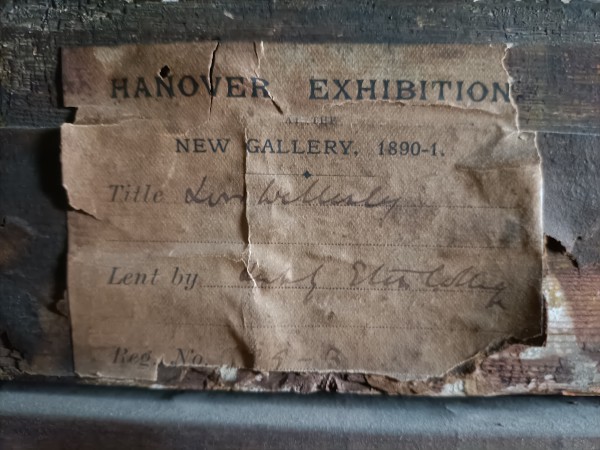
Exhibited: 'Exhibition of the Royal House of Guelph' (Hanover Exhibition), New Gallery, London, 1890-1891, catalogue number 322; 'Exhibition of British Art c.1000-1860' (Winter Exhibition), Royal Academy, London, 6 January to 10 March 1934, catalogue number 317; 'Eton Leaving Portraits', Tate Gallery, London, April to May 1951, catalogue number 7; 'Leaving Portraits from Eton College', Dulwich Picture Gallery, 18 July to 20 October 1991, catalogue number 12
Exhibited: 'Exhibition of the Royal House of Guelph' (Hanover Exhibition), New Gallery, London, 1890-1891, catalogue number 322; 'Exhibition of British Art c.1000-1860' (Winter Exhibition), Royal Academy, London, 6 January to 10 March 1934, catalogue number 317; 'Eton Leaving Portraits', Tate Gallery, London, April to May 1951, catalogue number 7; 'Leaving Portraits from Eton College', Dulwich Picture Gallery, 18 July to 20 October 1991, catalogue number 12
References
• Cust, L., Eton College Portraits, 1910 (p.62, Plate X)
• Dulwich Picture Gallery, Leaving Portraits from Eton College, exhibition catalogue 1991 (p.32)
• Ward, H. & Roberts, W., Romney: A Biographical and Critical Essay with a Catalogue Raisonne of his Works, London, 1904 (p.168)
• McConnell, ed., Treasures of Eton, London, 1976 (p.26)
• Kidson, Alex, George Romney: A Complete Catalogue of His Paintings, Yale University Press, 2015 (Walker, p.523)
• Dulwich Picture Gallery, Leaving Portraits from Eton College, exhibition catalogue 1991 (p.32)
• Ward, H. & Roberts, W., Romney: A Biographical and Critical Essay with a Catalogue Raisonne of his Works, London, 1904 (p.168)
• McConnell, ed., Treasures of Eton, London, 1976 (p.26)
• Kidson, Alex, George Romney: A Complete Catalogue of His Paintings, Yale University Press, 2015 (Walker, p.523)