
FDA-P.89-2010
Parts
Object number
FDA-P.89-2010
Object type
Identification
Title
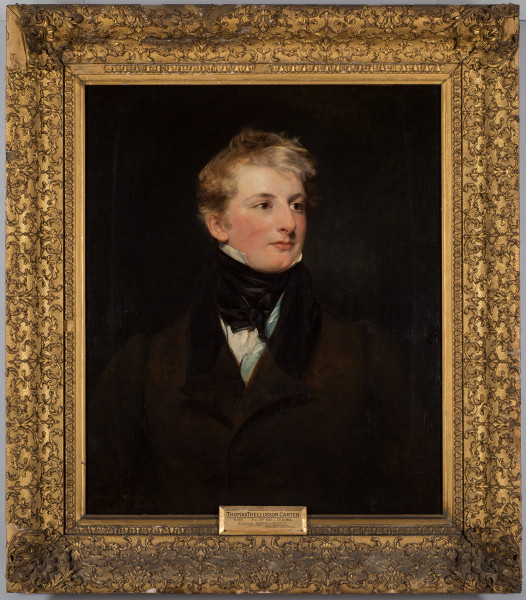
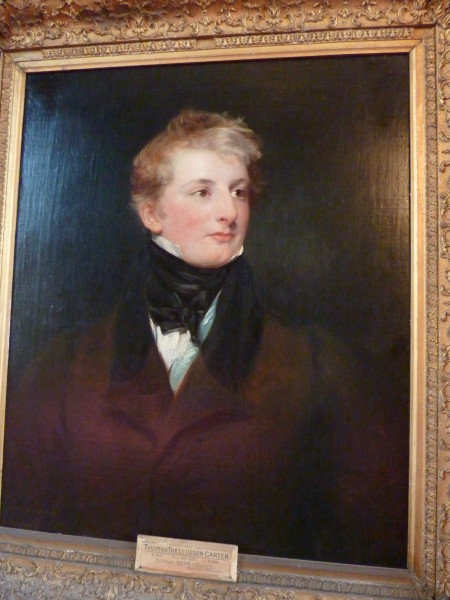
Thomas Thelusson Carter
Title Type
assigned by cataloguer
Description
Half-length painted portrait of a young man
Comments
Information from unpublished Margaret Carpenter catalogue by Richard J Smith, 1995.
Oil on canvas. 30x25". Attribution definite. Cust p.39 & Pl. XL. Sitters Book: 1825 Mr Carter £15.15.-. [M25001]
1826 Mrs Carter £26.5.-. [M26011] 1830 Mr Carter £31.10.-. [M30007] The 15 gns. in 1825 probably represents one half of the total fee, with the balance missing. The other 2 payments are probably for other pictures, not yet traced. Picture seen. Photo: Courtauld ref. B73/299.
Born at Eton the son of an assistant master, Thomas Carter (1776-1863), later Lower Master, Fellow and Vice-Provost. Like his father and his brother he was an Oppidan. Carter was in Sixth Form from 1822 until 1825. At Christ Church he came under the influence of E.B.Pusey, one of his father's old pupils. He was ordained and by 1833 was at Burnham, Buckinghamshire as his father's curate. It was at this time he was greatly influenced by Tracts for the Times.
In 1844 he was appointed Rector of Clewer, near Windsor. His resignation from this living in 1880 was caused by his prominence in the ritualistic high church movement of the times. Carter was celebrated as a tireless worker for his parish and as a spiritual advisor. He and Mariquita Tennant set up a home for fallen women, the House of Mercy, in Clewer. In 1852 he established an Anglican Convent, of St John the Baptist, which still exists.
In this room, we are surrounded by Leaving Portraits from the early 19th century. Eton Leaving Portraits are portraits of (Old) Etonians, painted to mark their time at the College. There are some 280 in the College Collections. The earliest is attributed to Thomas Hudson (1701–1779) and was painted in 1754. The most recent are by photographic artist Tereza Červeňová and were made in 2024.
The tradition evolved from the earlier custom of boys presenting Leaving Money to the Head Master as they left the College. Edward Barnard was the first Head Master to request a Leaving Portrait in addition to the money. Barnard continued to honour one or two boys with the privilege of presenting their portrait each year. The works were given directly to Head Masters, who later presented their collections to the College. Some Head Masters became Provosts and so displays of portraits moved into the Provost’s Lodge.
This is the collection of portraits of boys requested by Dr Keate (after whom Keate House and Keate’s Lane are named).
Oil on canvas. 30x25". Attribution definite. Cust p.39 & Pl. XL. Sitters Book: 1825 Mr Carter £15.15.-. [M25001]
1826 Mrs Carter £26.5.-. [M26011] 1830 Mr Carter £31.10.-. [M30007] The 15 gns. in 1825 probably represents one half of the total fee, with the balance missing. The other 2 payments are probably for other pictures, not yet traced. Picture seen. Photo: Courtauld ref. B73/299.
Born at Eton the son of an assistant master, Thomas Carter (1776-1863), later Lower Master, Fellow and Vice-Provost. Like his father and his brother he was an Oppidan. Carter was in Sixth Form from 1822 until 1825. At Christ Church he came under the influence of E.B.Pusey, one of his father's old pupils. He was ordained and by 1833 was at Burnham, Buckinghamshire as his father's curate. It was at this time he was greatly influenced by Tracts for the Times.
In 1844 he was appointed Rector of Clewer, near Windsor. His resignation from this living in 1880 was caused by his prominence in the ritualistic high church movement of the times. Carter was celebrated as a tireless worker for his parish and as a spiritual advisor. He and Mariquita Tennant set up a home for fallen women, the House of Mercy, in Clewer. In 1852 he established an Anglican Convent, of St John the Baptist, which still exists.
In this room, we are surrounded by Leaving Portraits from the early 19th century. Eton Leaving Portraits are portraits of (Old) Etonians, painted to mark their time at the College. There are some 280 in the College Collections. The earliest is attributed to Thomas Hudson (1701–1779) and was painted in 1754. The most recent are by photographic artist Tereza Červeňová and were made in 2024.
The tradition evolved from the earlier custom of boys presenting Leaving Money to the Head Master as they left the College. Edward Barnard was the first Head Master to request a Leaving Portrait in addition to the money. Barnard continued to honour one or two boys with the privilege of presenting their portrait each year. The works were given directly to Head Masters, who later presented their collections to the College. Some Head Masters became Provosts and so displays of portraits moved into the Provost’s Lodge.
This is the collection of portraits of boys requested by Dr Keate (after whom Keate House and Keate’s Lane are named).
Description
Content (person)
Content (note)
Half-length, in a brown coat and a blue waistcoat
Dimensions
height (sight size): 745mm
width (sight size): 620mm
width (sight size): 620mm
Inscription
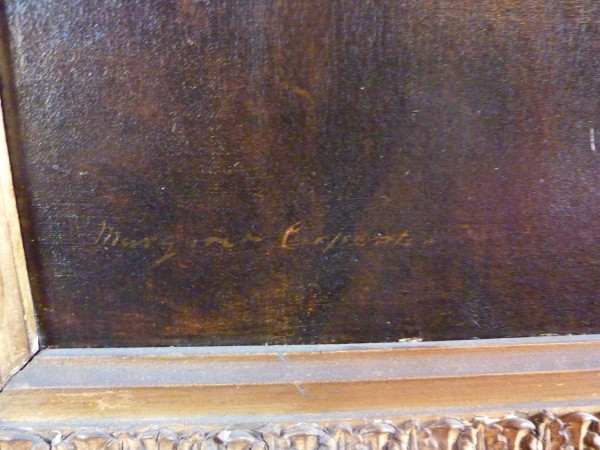
Signed lower left 'Margaret Carpenter'
Materials & techniques note
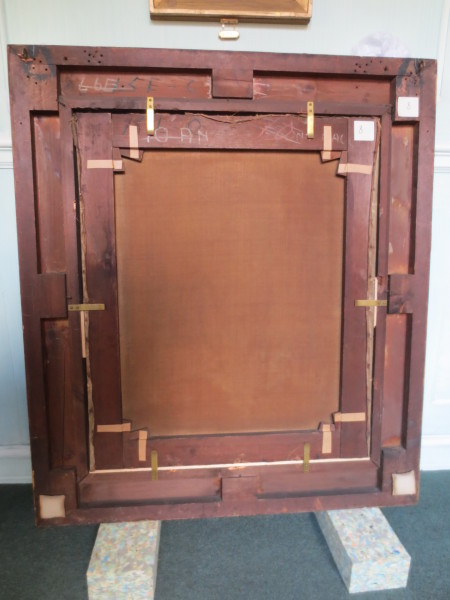
Oil on canvas
Physical description
Elaborate carved gilt Lawrence frame
Production
Person
Date
1825
History and association
Object history note
Provenance: Commissioned by the sitter or his family; by whom presented to the Head Master at Eton College
Exhibited: Dulwich, catalogue no.35; Exhibited: Tate catalogue no.29
Exhibited: Dulwich, catalogue no.35; Exhibited: Tate catalogue no.29
References
• Cust, L., Eton College Portraits, 1910 (p.39, no.14, Plate XL)
• Dulwich Picture Gallery, Leaving Portraits from Eton College, exhibition catalogue 1991 (p.46)
• Dulwich Picture Gallery, Leaving Portraits from Eton College, exhibition catalogue 1991 (p.46)